Qatar LNG carrier struck by ‘unidentified objects’ in Gulf
Doha denounces ‘dangerous act’ that threatens safety of maritime navigation and security of global energy supplies.
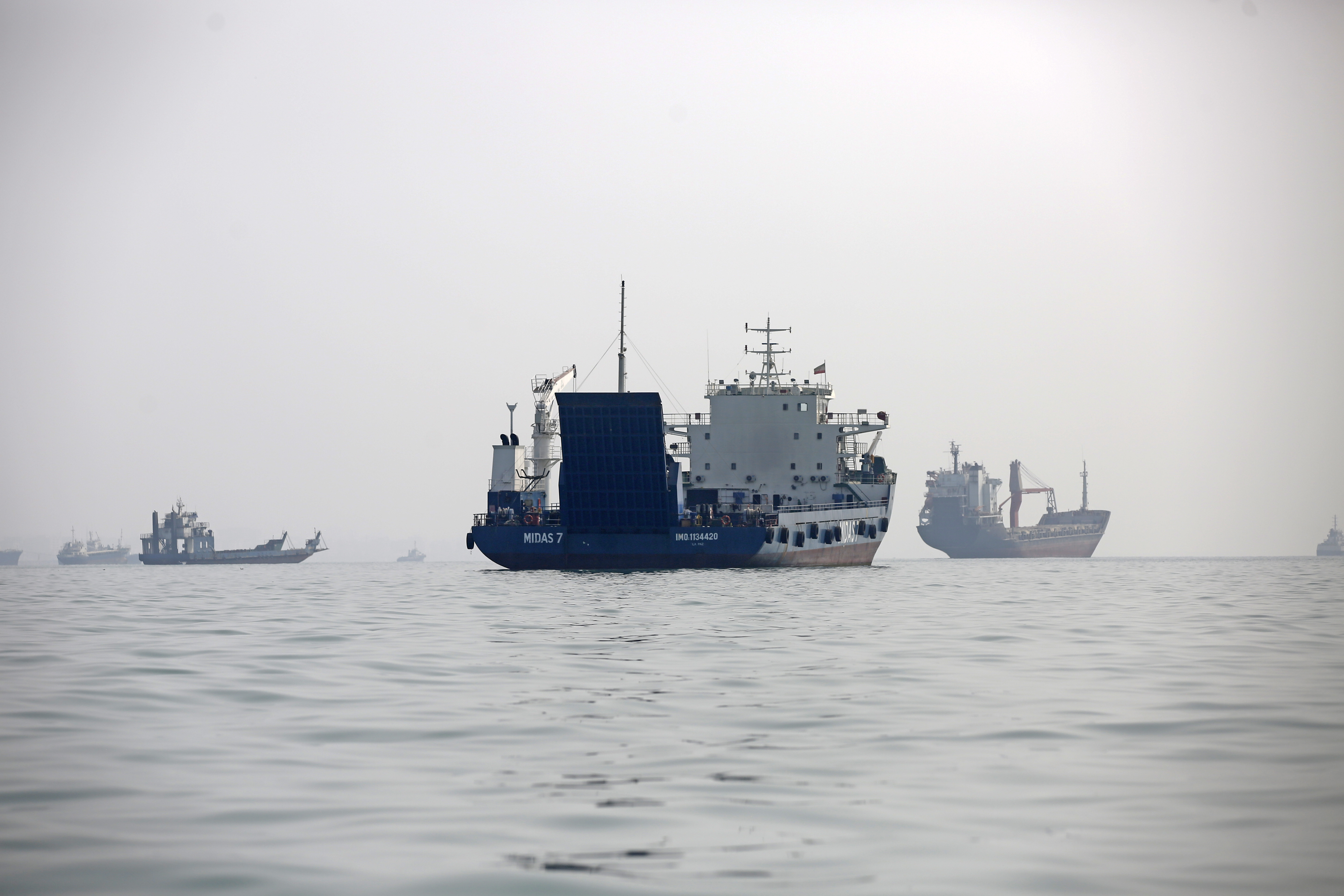

A Qatari tanker has been hit by “unidentified objects” while sailing in the Gulf, the Qatar Gas Transport Company (Nakilat) said, the latest attack on commercial shipping since the US-Israel war on Iran began in February.
The attack on Friday evening struck the liquefied natural gas (LNG) carrier Al Mayeda, which belongs to Nakilat, it said in a statement on Sunday.
Recommended Stories
list of 3 items- list 1 of 3Oman rescues 25 from burning oil tanker in Strait of Hormuz
- list 2 of 3Iran says four tankers on fire after striking mines in Hormuz
- list 3 of 3Iran FM says US outreach a ‘positive step’ as delegation in Qatar for talks
None of the crew members was injured, and no environmental damage was reported, it said.
The statement, published by the Qatar Stock Exchange, said the vessel is in a “safe condition, operational” and the impact of the incident is being assessed.
Qatar expressed “strong condemnation and denunciation of the attack”, its Ministry of Foreign Affairs said in a statement on X.
Doha “considers it a dangerous act that threatens the safety of maritime navigation and the security of global energy supplies”, it said, warning of the regional repercussions of such “reckless and irresponsible practices”.
The ministry said investigations are being conducted into the circumstances of the incident and to identify those responsible, adding that Qatar “reserves its right to take all necessary measures” to protect its property and safeguard its interests.
Nakilat supplies Qatari ports and terminals with towage and marine support services.
Saudi Arabia also condemned the attack and said it stood in solidarity “with whatever measures are taken to protect Qatari vessels and international trade”.
The kingdom’s Foreign Ministry said in a statement posted on X that it rejected “all violations that threaten the security and safety of maritime navigation and global energy supplies”.
Bahrain said it stood with Qatar and called on the UN Security Council to take decisive action to prevent recurring attacks and hold the perpetrators accountable.
The Gulf Cooperation Council (GCC), the United Arab Emirates, the internationally recognised Yemeni government and Palestinian Vice President Hussein al-Sheikh also condemned the attack.
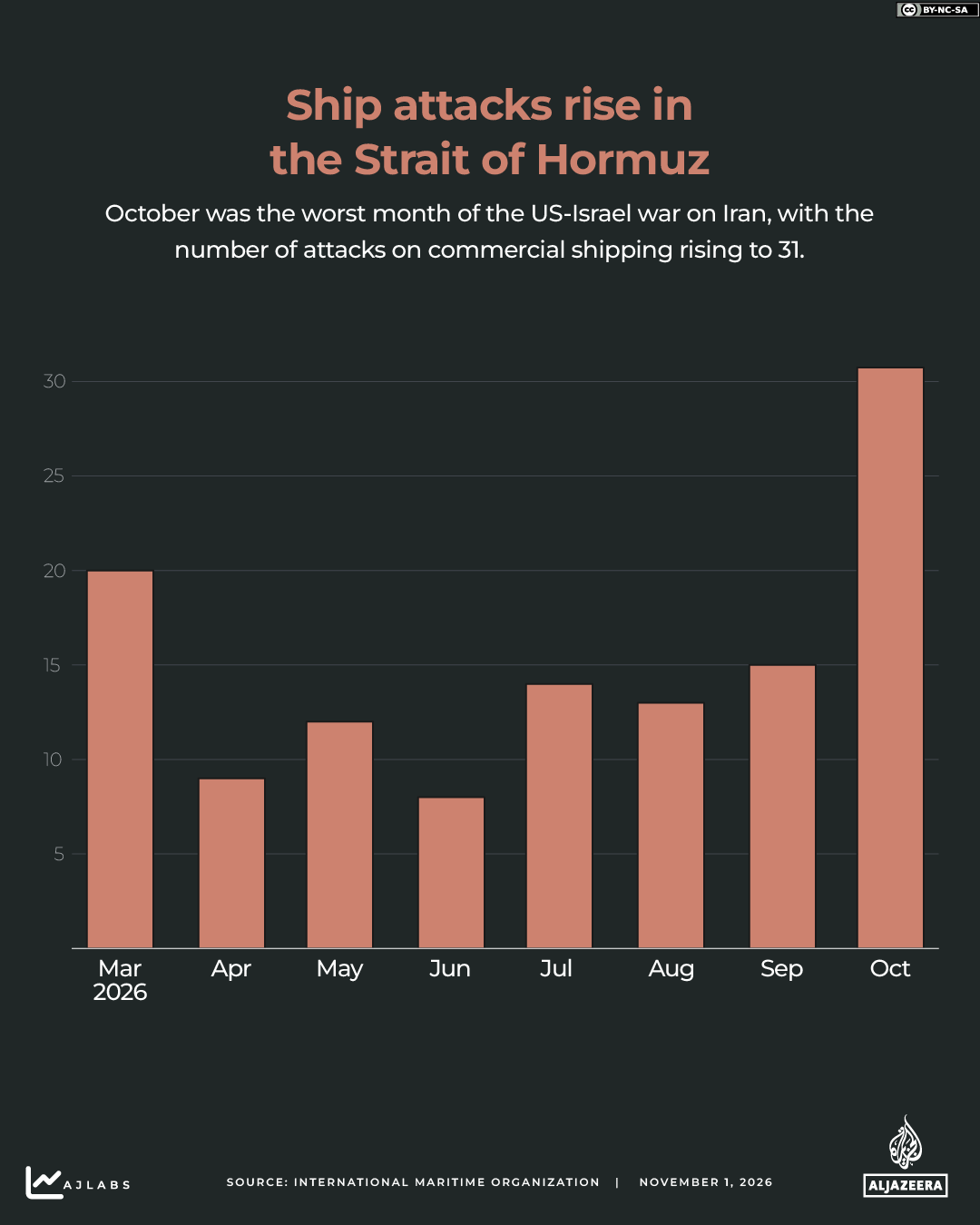
More than 120 commercial ships have been hit in the region since the start of the war, according to data from the International Maritime Organization and the UK Maritime Trade Operations.
Iran, which effectively shut the Strait of Hormuz early in the war, has repeatedly warned that vessels attempting to pass through the vital waterway without its permission would face “destruction”.
The attacks have increased since the United States reimposed a blockade on Iran’s southern ports in July.
October was the worst month of the war for shipping, with at least 29 ships hit, compared with 20 attacks recorded in March.
