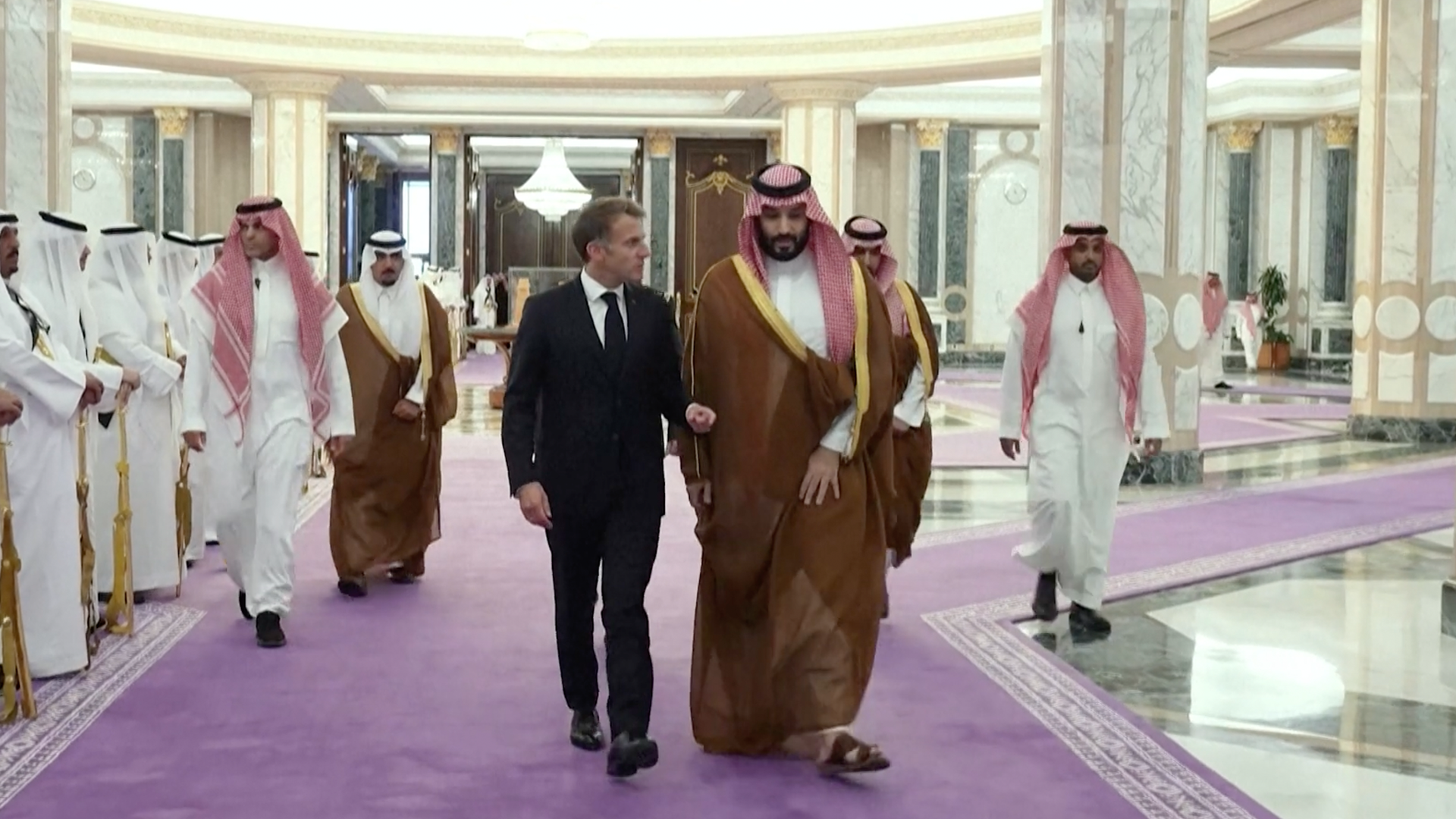
Macron makes surprise Saudi visit as France secures extra diesel supplies
French president meets Mohammed bin Salman in Riyadh to discuss energy, security, and infrastructure.

French president meets Mohammed bin Salman in Riyadh to discuss energy, security, and infrastructure.
![Saudi Foreign Minister Prince Faisal bin Farhan Al-Saud speaks at the Future Investment Initiative (FII) conference in Riyadh, Saudi Arabia October 31, 2024 [Hamad I Mohammed/Reuters]](https://aljazeeranews-3fuh52rgrl.edgeone.app/wp-content/uploads/2026/10/2024-10-31T122203Z_1459215095_RC2OVAAUZCW8_RTRMADP_3_SAUDI-INVESTMENT-FII-1792451232.jpg?resize=770%2C513&quality=80)


![[Screen grab/Global Security Forum]](https://aljazeeranews-3fuh52rgrl.edgeone.app/wp-content/uploads/2026/10/Screenshot-2026-10-19-at-11.39.31-AM-copy-1792399284.jpg?resize=770%2C513&quality=80)
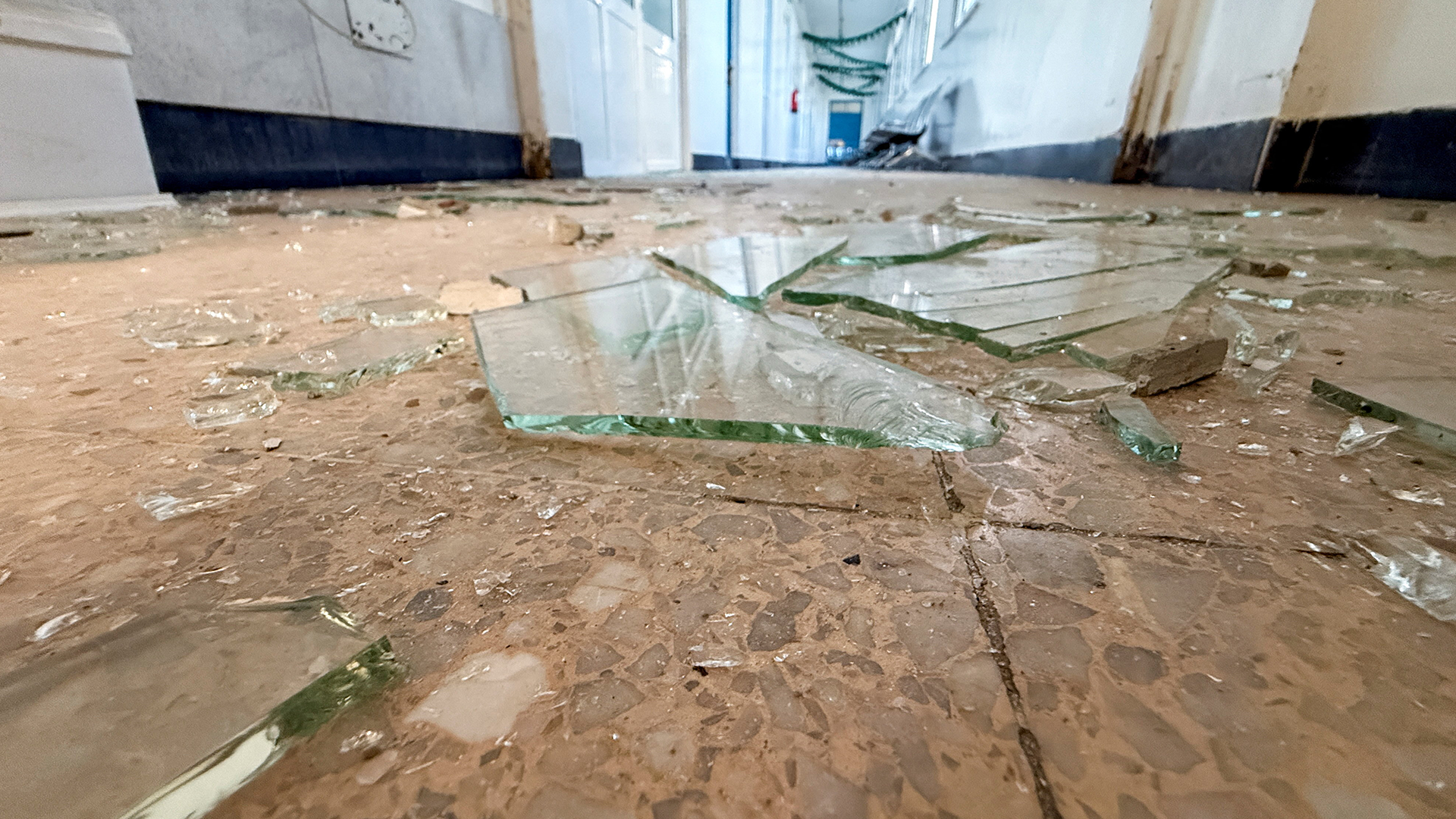
Yemen’s government forces claim to have killed hundreds of Houthi rebels as they attempt to retake lost territory.
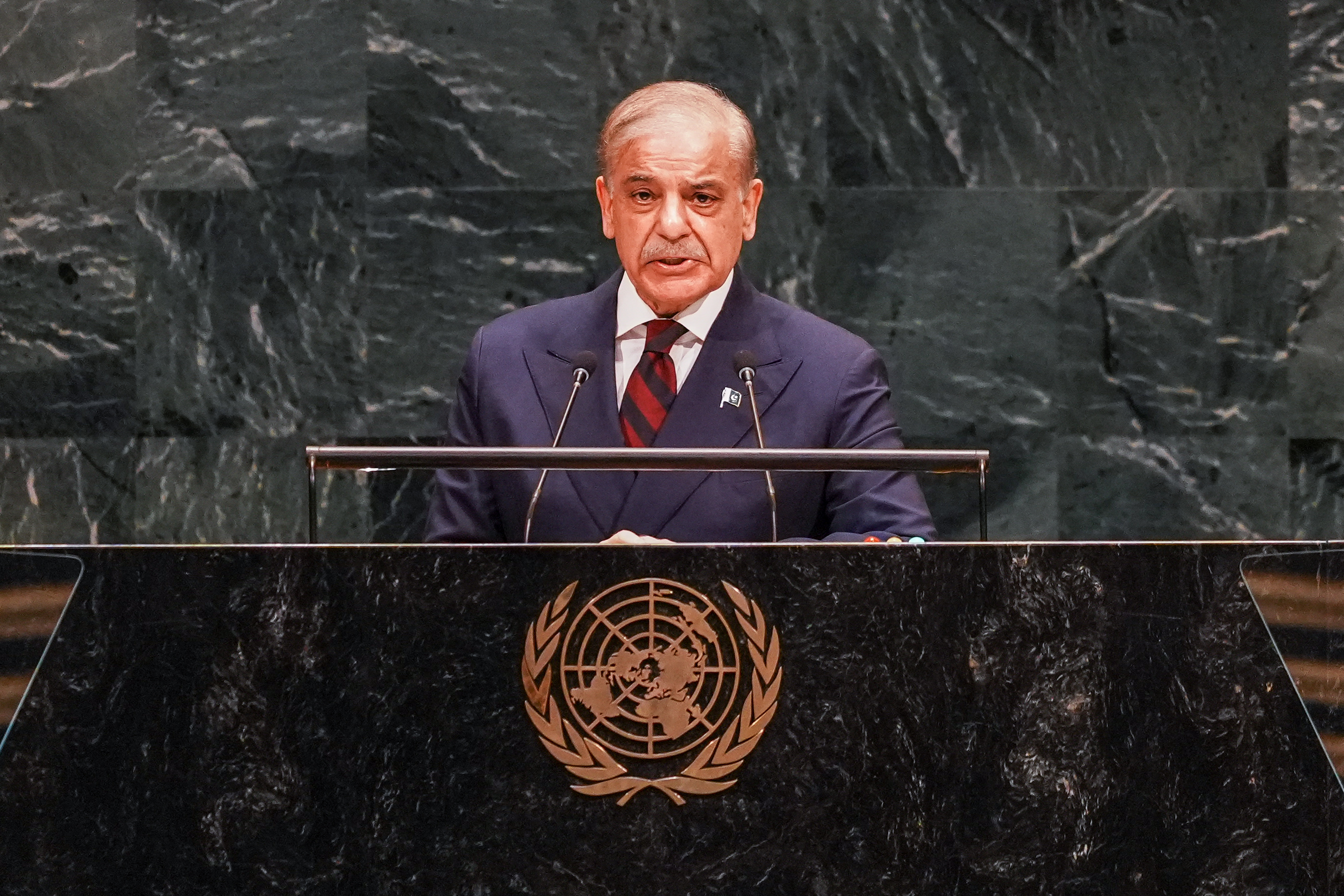
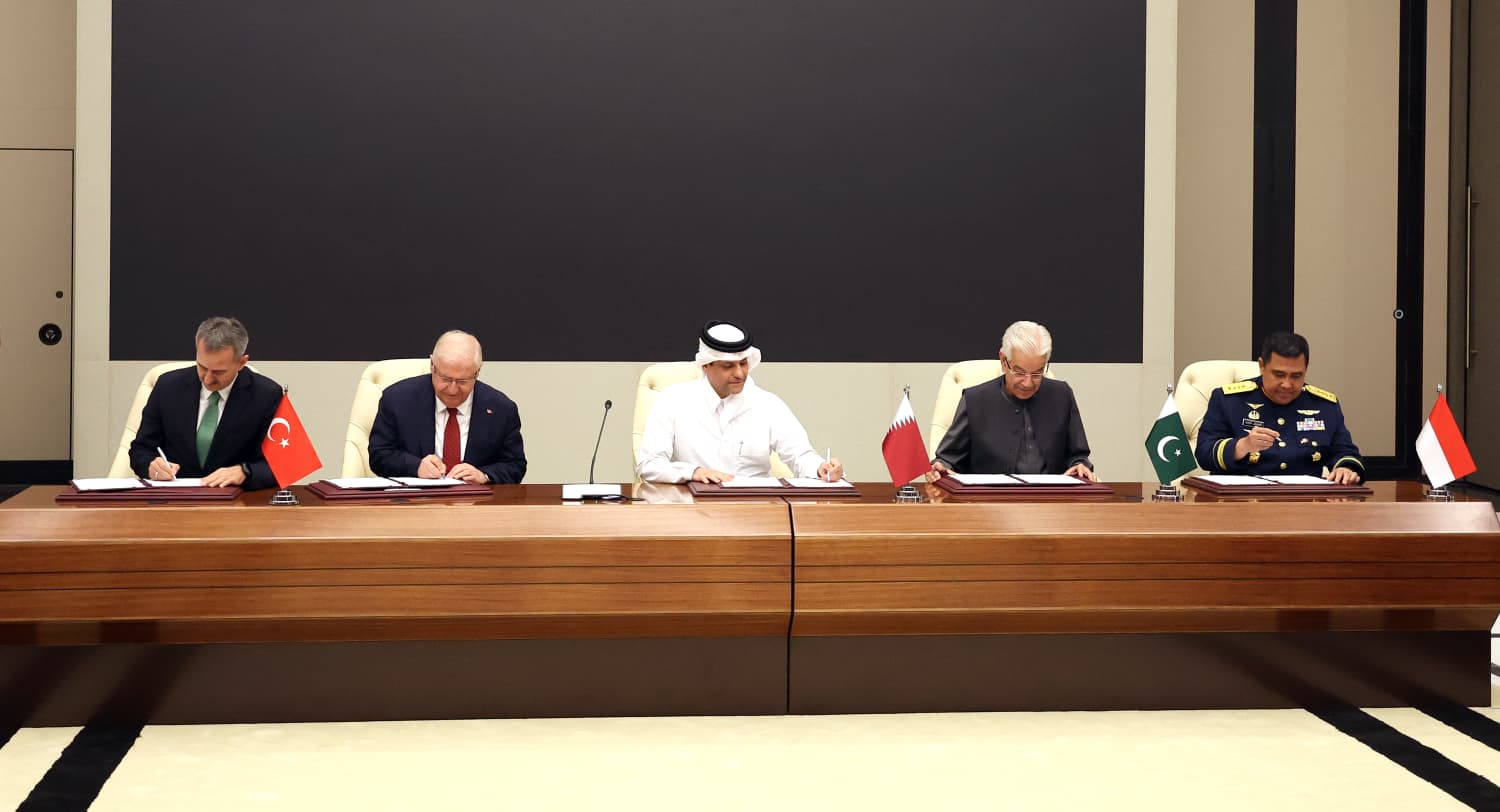
Shehbaz Sharif speaks as Islamabad, Riyadh and Ankara army chiefs meet to discuss Mecca pact, closer military ties.
UAE joins Oman, Iraq, Azerbaijan, Georgia and Turkmenistan in restricting access to Iranian airlines.
Tehran ties diplomatic progress to lifting shipping blockades and unfreezing assets during New York negotiations.
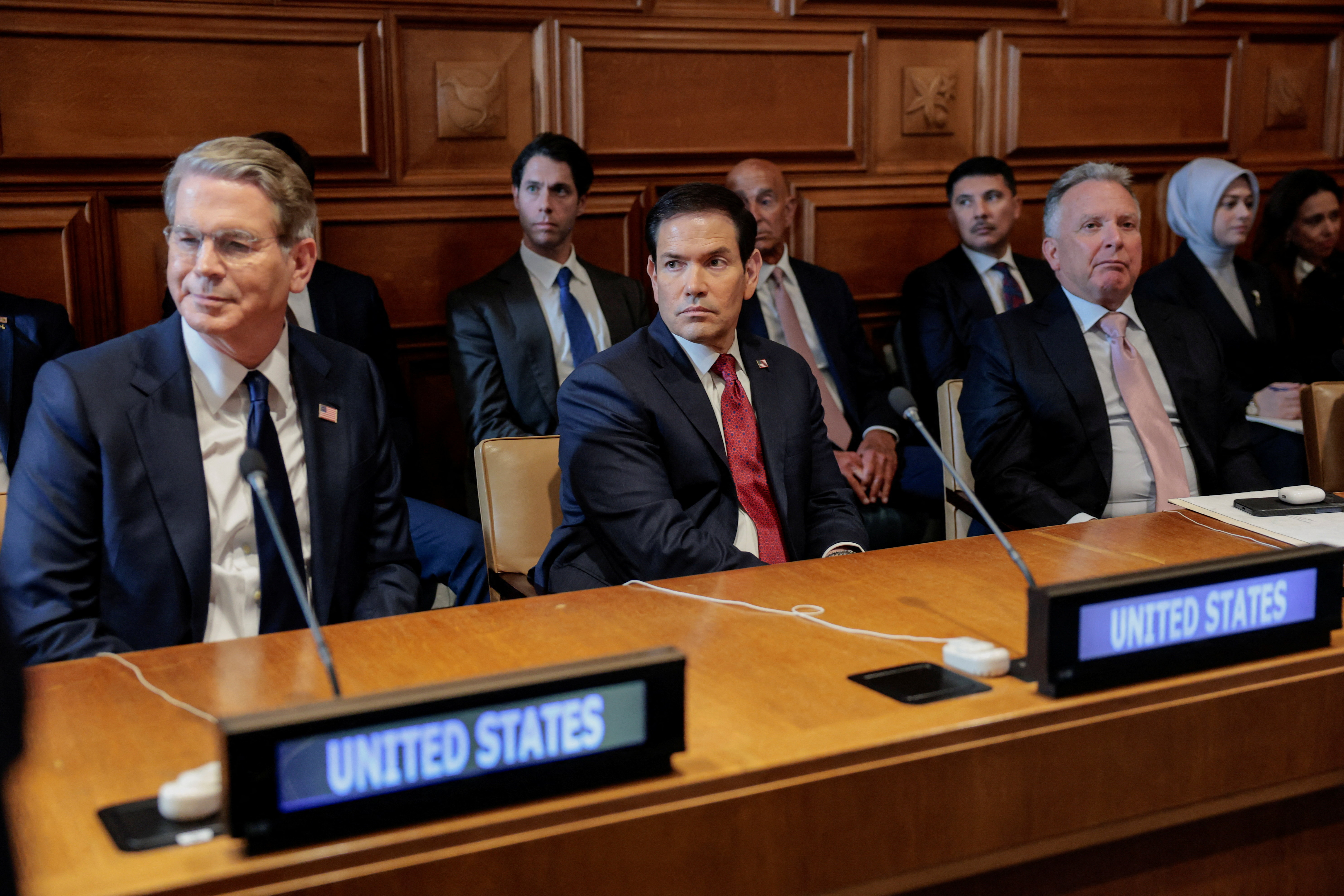
Trump will meet with leaders from Saudi Arabia, the UAE, Qatar, Bahrain, Kuwait and Oman on the sidelines of UNGA.
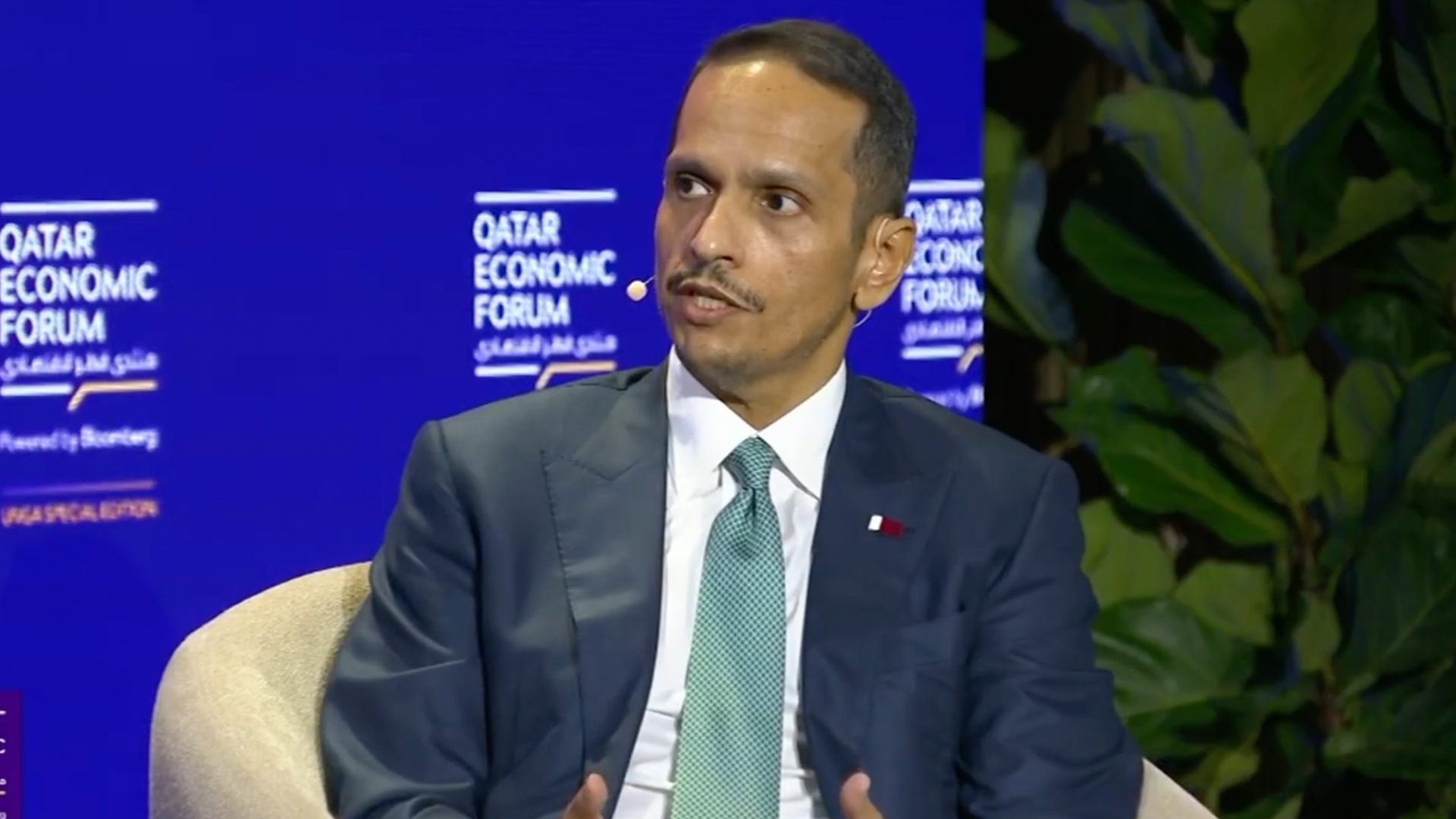
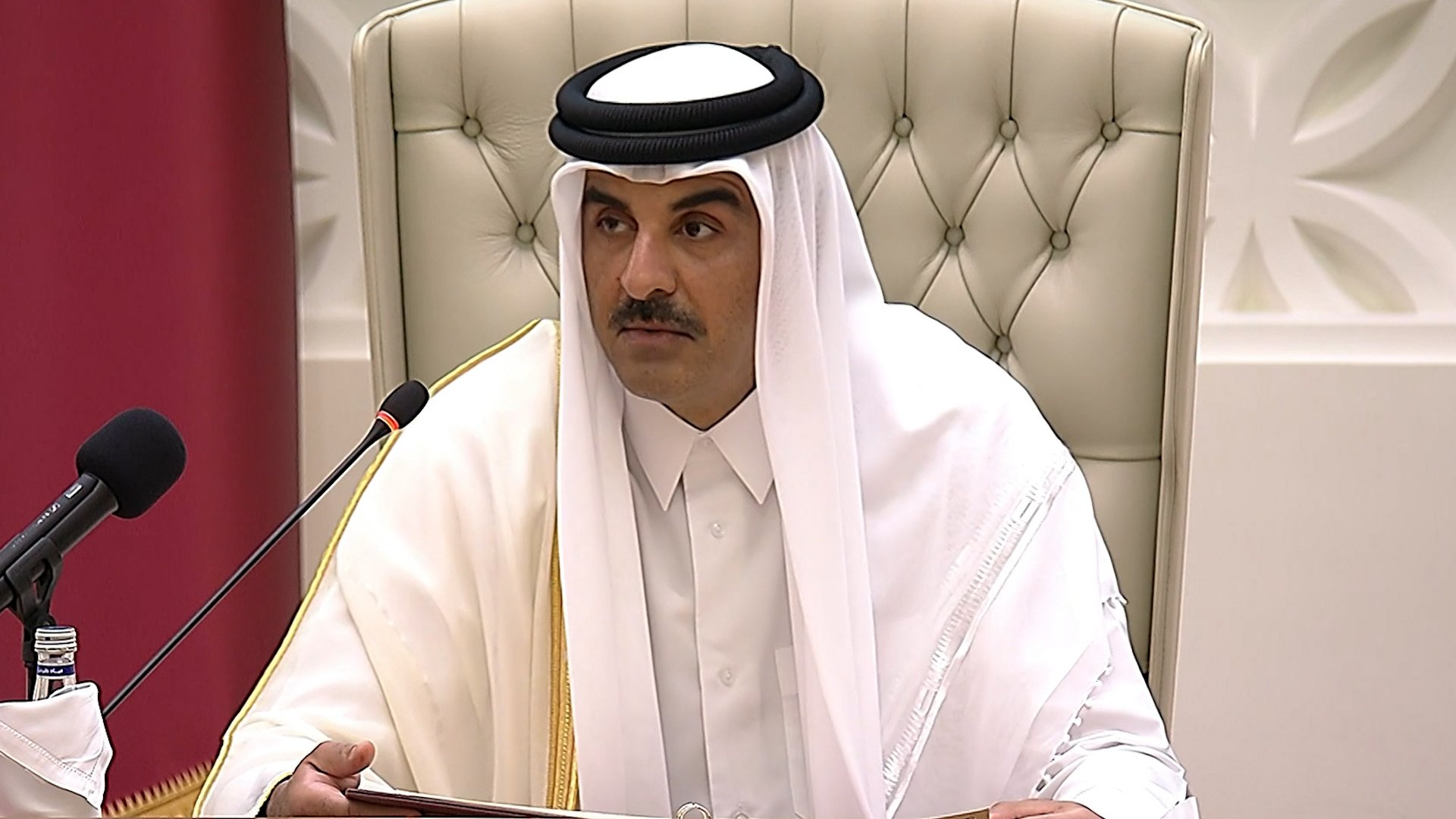
Qatar’s PM says, the Gulf won’t be the same unless there’s a framework ensuring no one is a threat to each other.
Turkish FM highlights Turkiye’s readiness to assist Saudi Arabia militarily, as Houthi attacks intensify in Yemen.
Assurance comes amid questions over Pakistan and Turkiye’s stance on Riyadh’s fight with Houthis following defence pact.
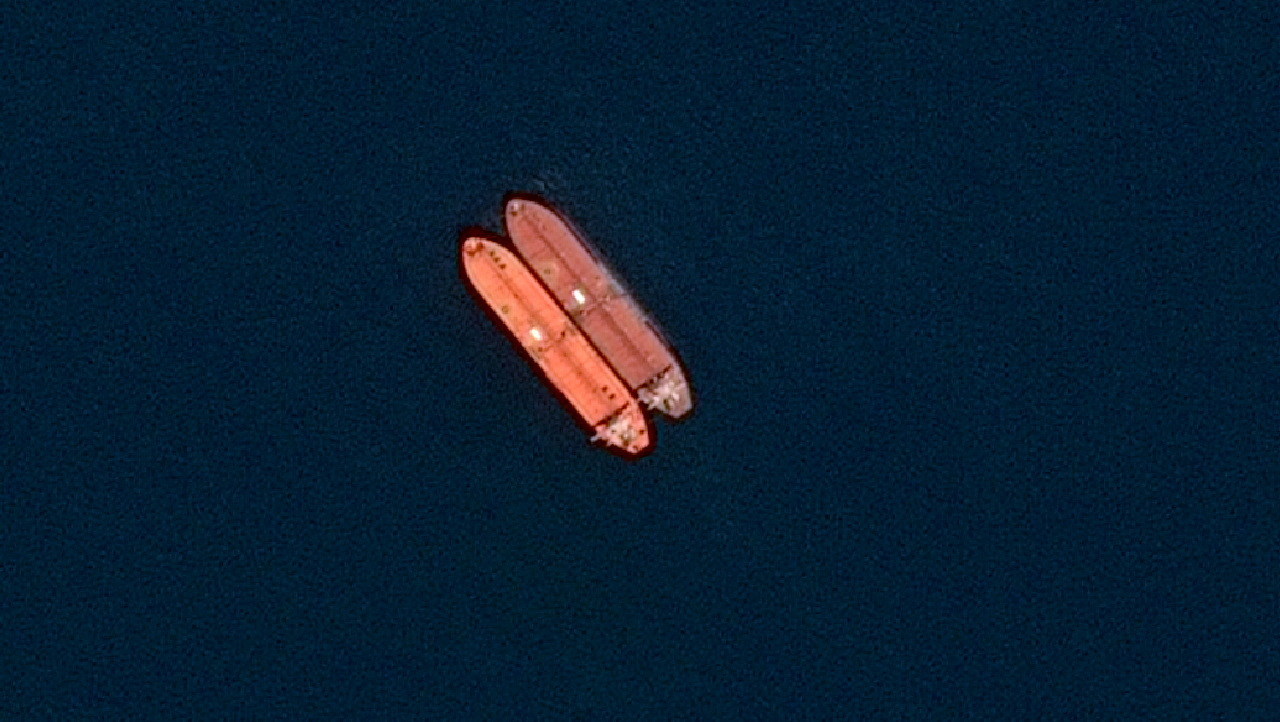
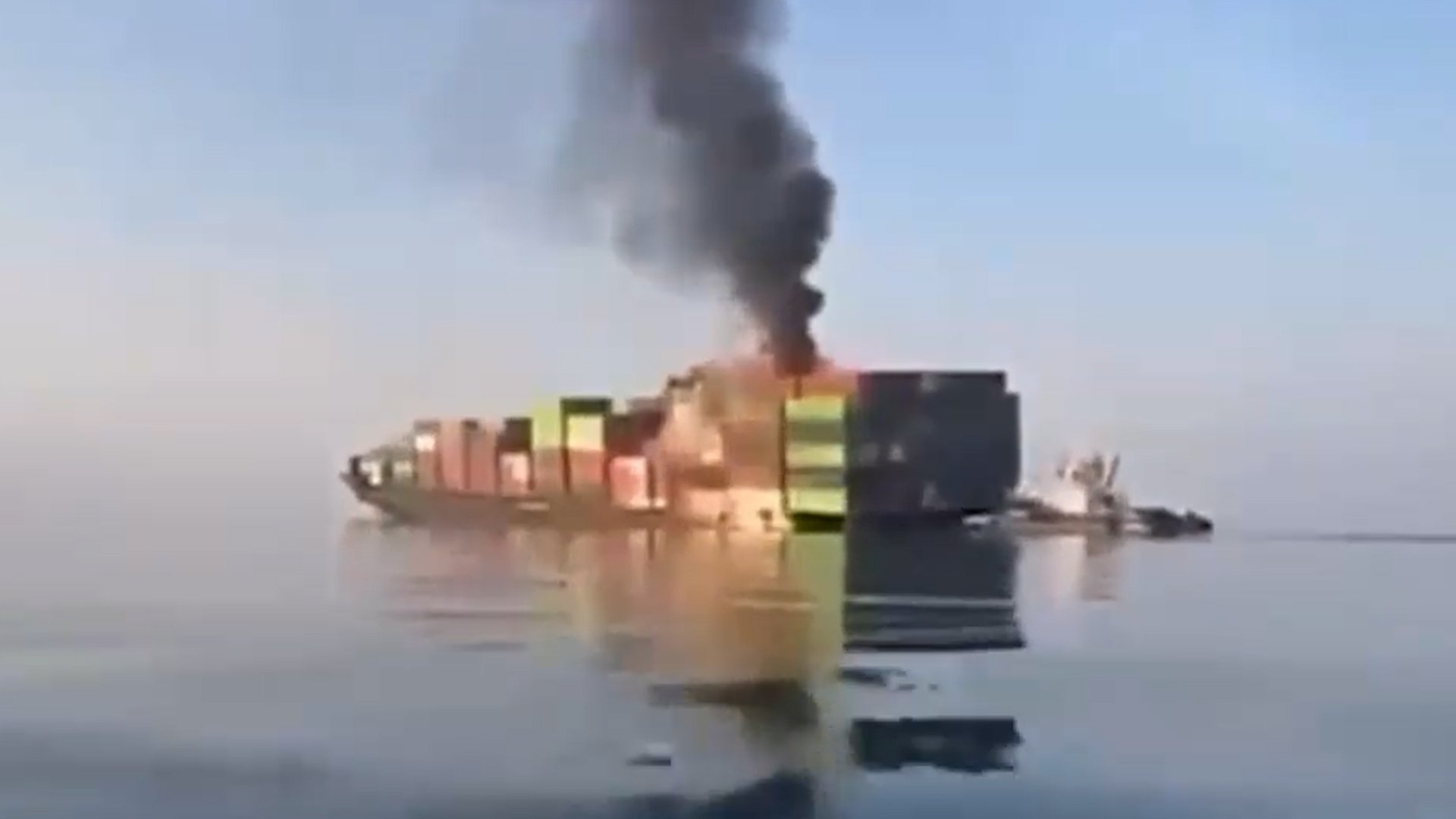
Oman’s Sohar port is becoming a popular spot for ship-to-ship oil transfers amid continued Hormuz blockade.
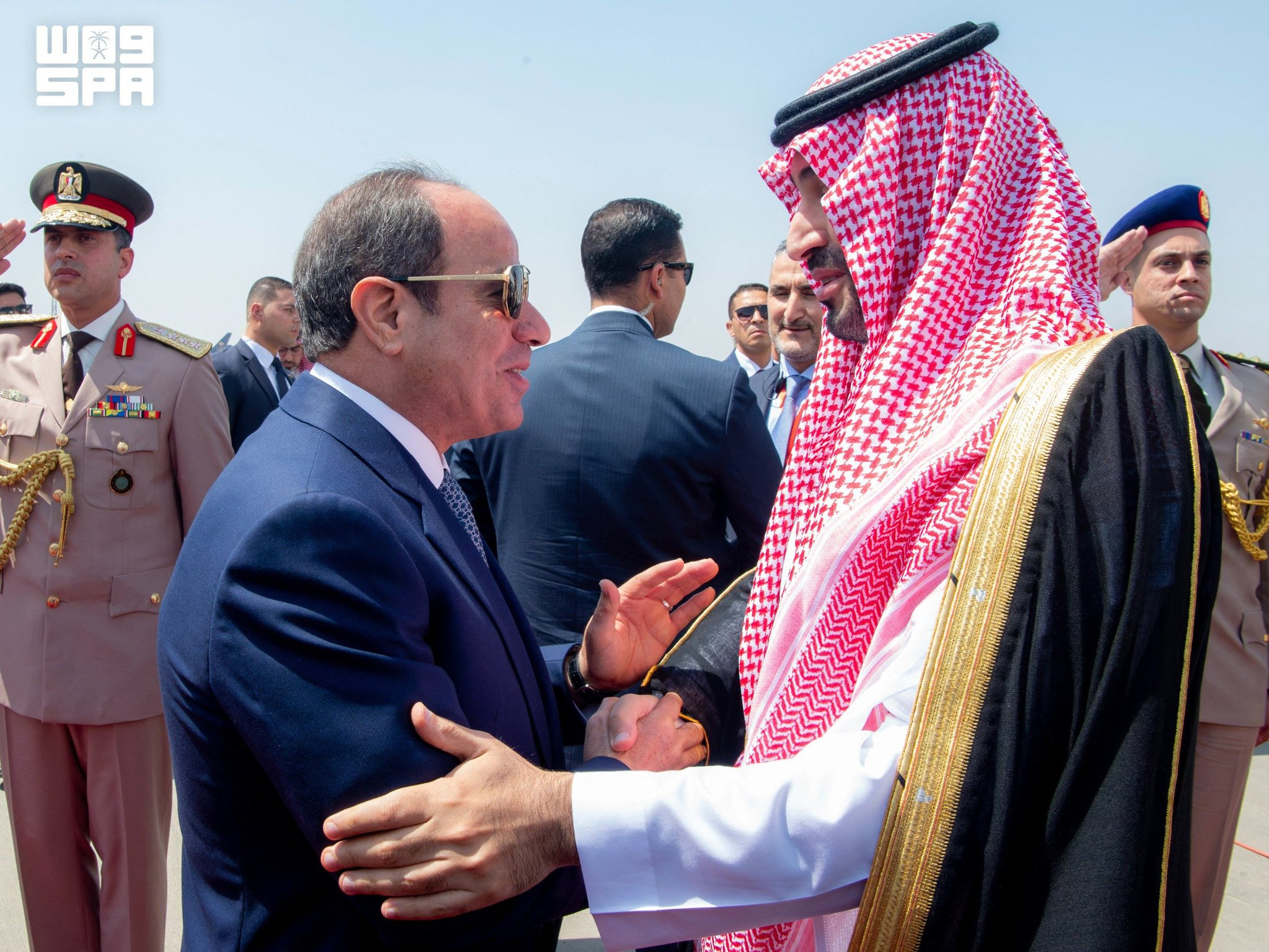
Regional analysts highlight the growing security alignment between Cairo and Riyadh amid escalating Red Sea tensions.