Inside Story
Can the Nuclear Non-Proliferation Treaty prevent a disaster?
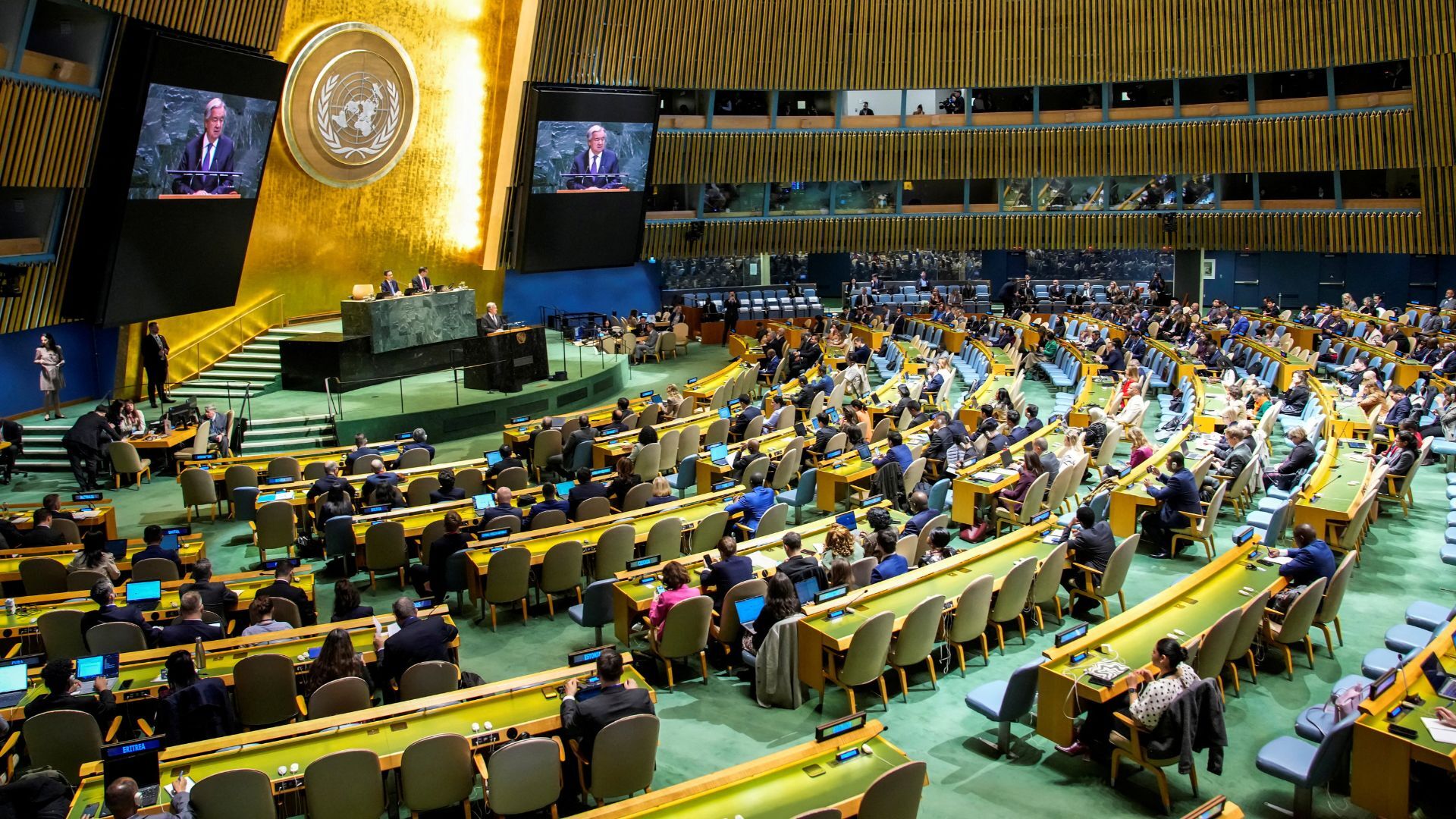
The United Nations chief warns of the waning influence of the global agreement.
The Nuclear Non-Proliferation Treaty is the most extensive arms-control agreement in the world.
It has 191 signatories and is based on a simple principle: Countries without nuclear weapons won’t acquire them, and those that do will give them up.
Recommended Stories
list of 4 items- list 1 of 4Photos: Chornobyl’s ‘liquidators’ return 40 years after nuclear disaster
- list 2 of 440 years since the world’s worst nuclear disaster in Ukraine
- list 3 of 4The war on Iran is eroding nuclear non-proliferation
- list 4 of 4The Process of Uranium Enrichment
But in recent years, implementation of the treaty has flagged. Both experts and diplomats are warning that the risk of a nuclear arms race has never been so high, and the head of the United Nations has issued warnings about the waning influence of the global agreement.
So, could a review of the Nuclear Non-Proliferation Treaty produce stricter measures to eliminate the threat?
And how much of a danger does the US and Israel’s war with Iran pose globally?
Presenter: Mohammed Jamjoom
Guests:
Tariq Rauf – Former Head of Verification and Security Policy Coordination at the International Atomic Energy Agency
Kelsey Davenport – Director for Nonproliferation Policy at the US Arms Control Association
Seyed Hossein Mousavian – Former Iranian nuclear negotiator
